

Slide Stainers
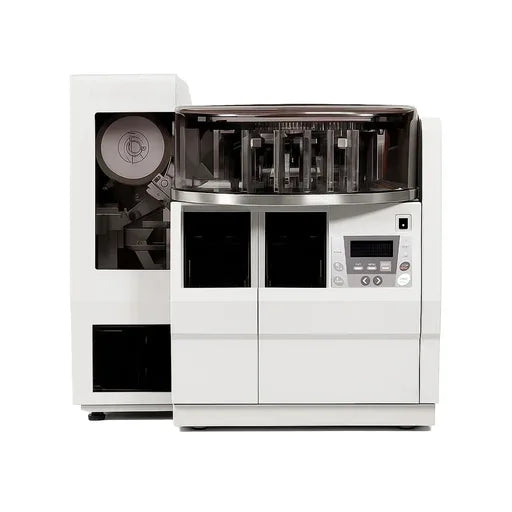
Medical Equipment Source offers new and remanufactured slide stainers built for consistent, repeatable staining in histology laboratories. Our selection spans automated slide stainers (autostainers), linear stainers, and manual systems that support routine H&E staining, special stains, and standardized protocols across clinical, research, and specialty lab environments. Whether you are equipping a new lab or upgrading existing equipment, MES helps you find the right slide staining solution for your workflow, case volume, and operational needs, from a compact benchtop slide staining machine to a high-throughput automated system.
Fully Automated
Semi-Automated
Manual
Accessories
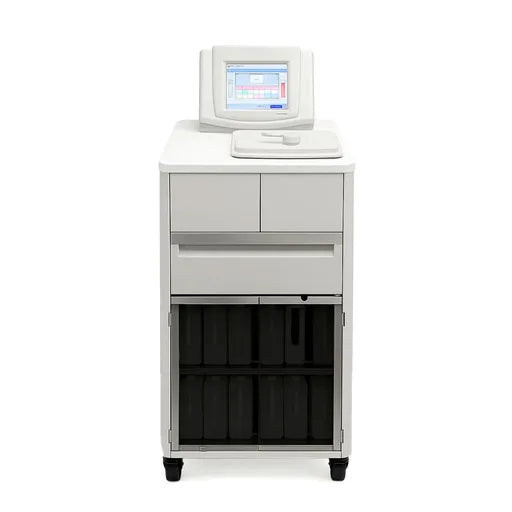
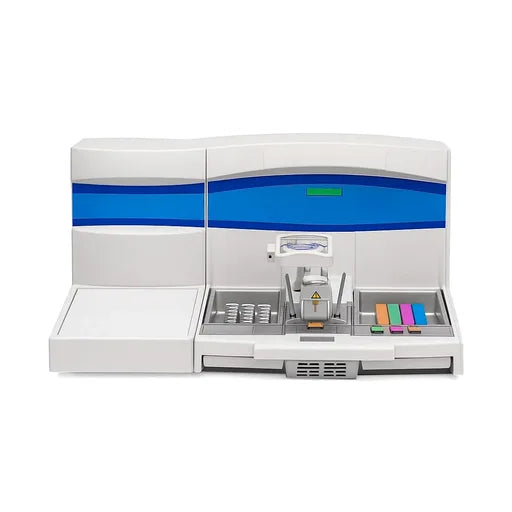
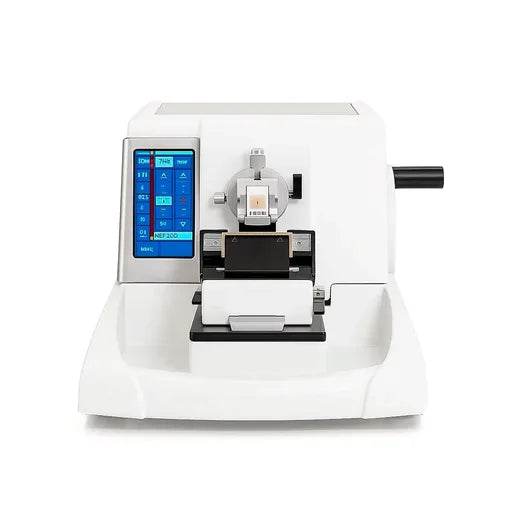
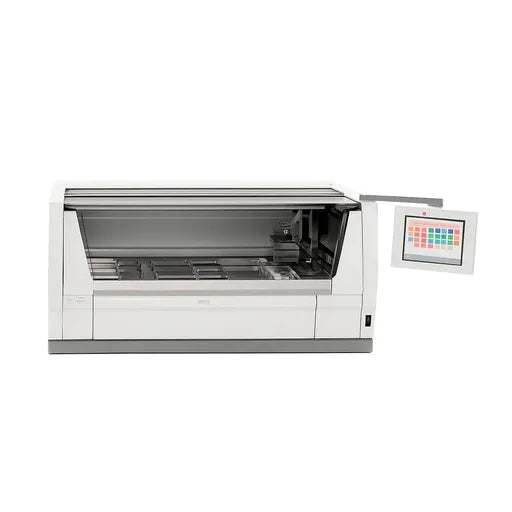
Slide Stainers for Histology Labs
Consistent slide staining is essential for accurate microscopic evaluation and reliable diagnosis. Medical Equipment Source (MES) offers new and remanufactured slide stainer systems designed to support standardized H&E and special staining across clinical, research, and specialty laboratory environments.
Our selection includes automated slide stainers (autostainers) that hold results consistent throughout the staining process, in both batch and linear configurations to match different throughput needs. Each system is inspected and evaluated to ensure dependable performance and smooth integration into your existing histology workflow, from sectioning through coverslipping.
If you are starting a new lab, replacing aging equipment, or increasing capacity, MES can help you choose a slide staining solution that fits your workflow and long-term goals.
Selecting the Right Slide Stainer for Your Laboratory
Choosing the right slide stainer means weighing daily slide volume, staining protocols, workflow requirements, and budget. Automated slide staining systems control how and when reagents are applied during staining, which helps labs hold consistent results across both routine H&E and special stains.
The right system directly affects staining quality, workflow efficiency, and turnaround time, whether you are starting a new lab, updating existing equipment, or expanding to handle more cases.
Medical Equipment Source works closely with lab managers, pathologists, and procurement teams to align equipment capabilities with real-world needs. We help assess throughput capacity, protocol flexibility, automation level, reagent management, ease of use, and compatibility with coverslippers and imaging workflows. That guidance helps laboratories make informed decisions that support consistent results and efficient daily operations.
Slide Staining Applications Across Laboratory Environments
Slide staining systems appear across a wide range of laboratory settings.
- Physician-owned and independent laboratories rely on dependable systems that support consistent results with straightforward operation.
- Hospitals and large laboratory networks depend on automated slide stainers to manage high volumes while maintaining protocol consistency.
- University and research laboratories use adaptable systems to support teaching, research, and specialized staining protocols.
- Pharmaceutical and biotechnology companies require reliable staining solutions for research, development, and quality control workflows.
- Veterinary, industrial, and specialty laboratories benefit from flexible systems that accommodate diverse specimen types and staining needs.
- Government laboratories operate in regulated environments that require dependable, repeatable staining performance.
Across all of these environments, MES helps laboratories select equipment that supports accuracy, efficiency, and dependable outcomes.
New and Remanufactured Slide Stainers
Medical Equipment Source offers both new and remanufactured slide stainers to meet a range of performance needs and budgets. New systems provide advanced automation, protocol control, and long-term reliability for laboratories seeking modern staining technology.
Remanufactured slide stainers are carefully restored, tested, and validated to meet strict performance standards. These systems offer a cost-effective alternative while maintaining consistent, high-quality staining for daily laboratory use. MES stocks proven products including the Leica Autostainer XL, Sakura Tissue-Tek Prisma, and Epredia Linistat, so labs can match a trusted system to their protocols and budget.
Expert Guidance for Confident Equipment Selection
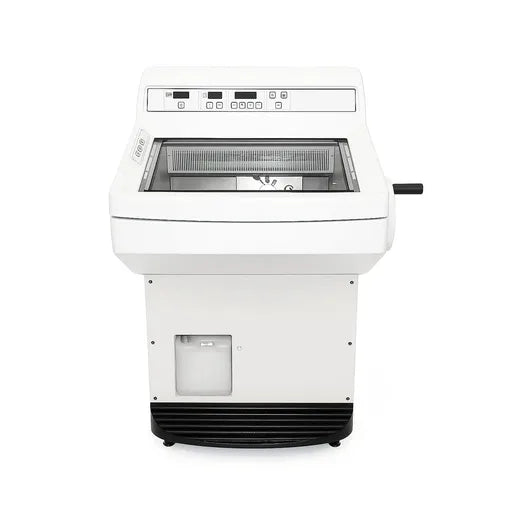
Selecting slide staining equipment can be complex. MES simplifies the process by helping laboratories compare systems, evaluate protocol capabilities, and understand how slide stainers fit within the broader histology workflow, alongside microtomes, coverslippers, and imaging.
From first-time lab setups to high-volume operations, our guidance helps avoid costly missteps and supports reliable performance over time.
Why Laboratories Choose MES
Medical Equipment Source supports laboratories nationwide with practical, workflow-driven equipment guidance. Our team understands histology operations and helps labs select staining systems that align with case volume, protocol requirements, and existing equipment.
From selection through long-term support, including preventative maintenance that keeps stainers running reliably, we focus on informed decision-making and equipment that fits the way your lab works.
Frequently Asked Questions
What's the difference between a manual and an automated slide stainer?
A manual slide stainer requires a technician to move slides through each reagent by hand, while an automated slide stainer (autostainer) runs the sequence on a programmed cycle. Automation reduces hands-on time and keeps results consistent from slide to slide, and that advantage grows with case volume.
How do you choose a slide stainer for your lab?
Match the stainer to your daily slide volume, staining protocols, desired automation level, and budget. High-volume labs favor automated or linear systems for throughput and consistency, while lower-volume or specialty labs may prefer a flexible batch or manual stainer. MES can help weigh throughput, protocol flexibility, and coverslipper compatibility.
What is the difference between a linear and a batch slide stainer?
A linear (continuous) stainer carries slides one after another along a track through each reagent station, which suits steady, high throughput. A batch, or dip-and-dwell, stainer moves a full rack of slides together between reagent baths, offering flexibility for varied protocols and smaller runs.
Can a slide stainer run H&E and special stains?
Yes. Most automated slide stainers handle routine hematoxylin and eosin (H&E) staining as well as special stains using programmable protocols. Some labs dedicate one stainer to high-volume H&E and another to special stains to protect turnaround times and reduce reagent cross-contamination.
Does MES sell used, refurbished, or remanufactured slide stainers?
MES sells new and remanufactured slide stainers, which are put through much more robust and thorough rebuild than refurbished or used units. A remanufactured stainer is fully disassembled and rebuilt to the original manufacturer's performance standards, put through comprehensive functional and safety testing, and backed by a defined warranty. Refurbishing is lighter work, often cleaning, repair, or cosmetic refresh, with processes and warranties that vary by provider. Our team can explain the differences for your budget.
What Our Customers Say
Protect Your Lab with Preventative Maintenance
Preventative maintenance helps reduce unexpected downtime, support regulatory compliance, and keep lab equipment performing reliably. MES works with your team to build maintenance plans based on your instruments, usage, and operational needs.
Get Expert Guidance for Your Lab
Whether you need service, equipment, or planning support, our team is ready to help you find the right solution for your lab.