

Understanding the Right In-Office Pathology Model for Your Practice
In today's volatile healthcare market, many providers are exploring the option of building in-office pathology laboratories to enhance clinical outcomes for their patients and capture ancillary revenue opportunities already inherent in their existing practice.
When establishing a physician-owned in-office laboratory, there are several models to consider. This article provides an overview of the most common in-office laboratory models to help healthcare providers determine which approach is best suited to their practice.
Understanding the Pathology Process
Behind every pathology report is a precise and highly coordinated process that bridges laboratory science and clinical decision-making.
Any time a physician removes tissue from a patient, the surgical specimen is sent to a pathology laboratory for interpretation and diagnosis.
When the laboratory initially receives a specimen, a licensed histotechnician accesses and grosses the sample, processes the tissue, embeds the specimen into a cassette, cuts the tissue into a thin paraffin ribbon, and mounts it onto a slide. The slide is then stained with hematoxylin and eosin and then coverslipped to protect the sample. This entire process of slide preparation is called the Technical Component (TC) of pathology services.
Once the slide is prepared, a pathologist receives it along with a preliminary report containing the clinical description from the referring physician. The pathologist interprets the slide and provides a diagnosis with a microscopic description of their findings. These results are transcribed, and an official diagnostic report is generated. This diagnostic practice is called the Professional Component (PC) of pathology services.
Together, these components form the foundation of diagnostic pathology, but the way these services are delivered can vary. Next, we'll explore the different models that determine how technical and professional responsibilities are structured across institutions.
Global Pathology
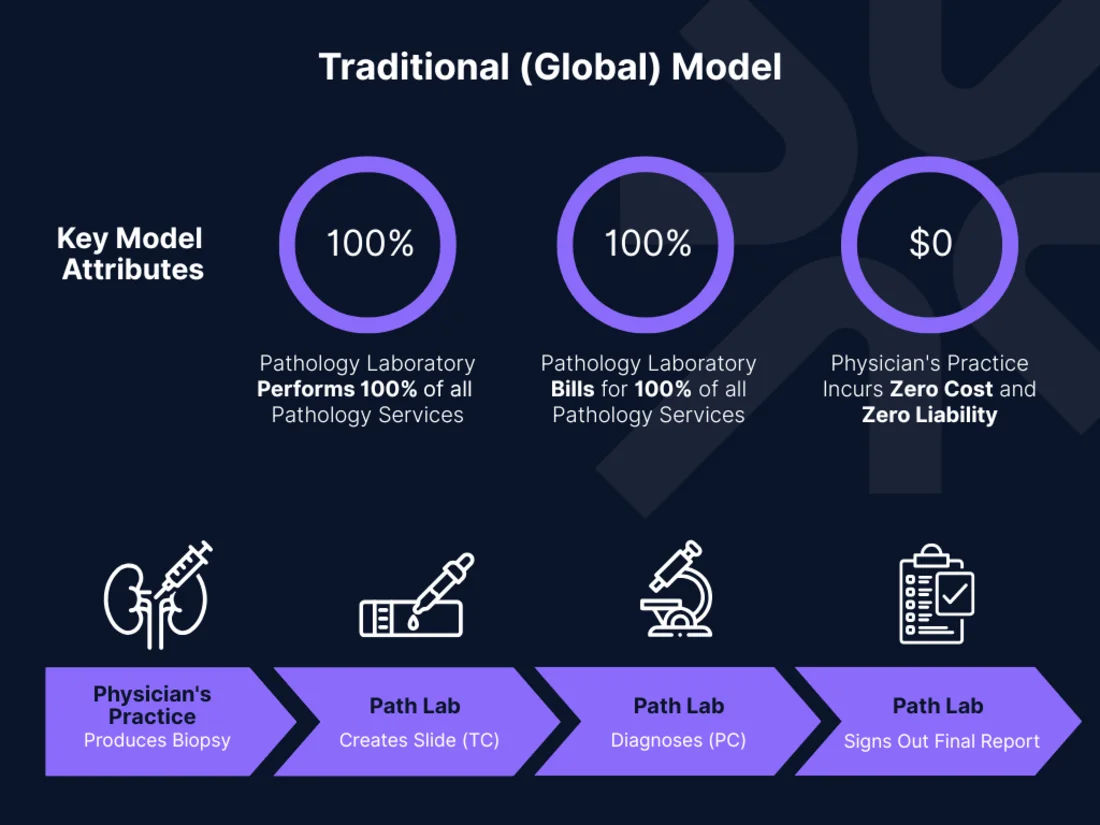
The complete process where an independent laboratory performs both the Technical and Professional Components, as described above, is known as the "Global" model. In this standard approach, the physician's practice refers its specimens to an independent laboratory responsible for all histology and diagnostic processes (both the TC and PC), and the lab bills the patient's insurance carrier for the entire service.
There is no risk and no financial benefit to the physician's practice when sending their specimens to an independent laboratory using this traditional global model.
In-Office Professional Component Model
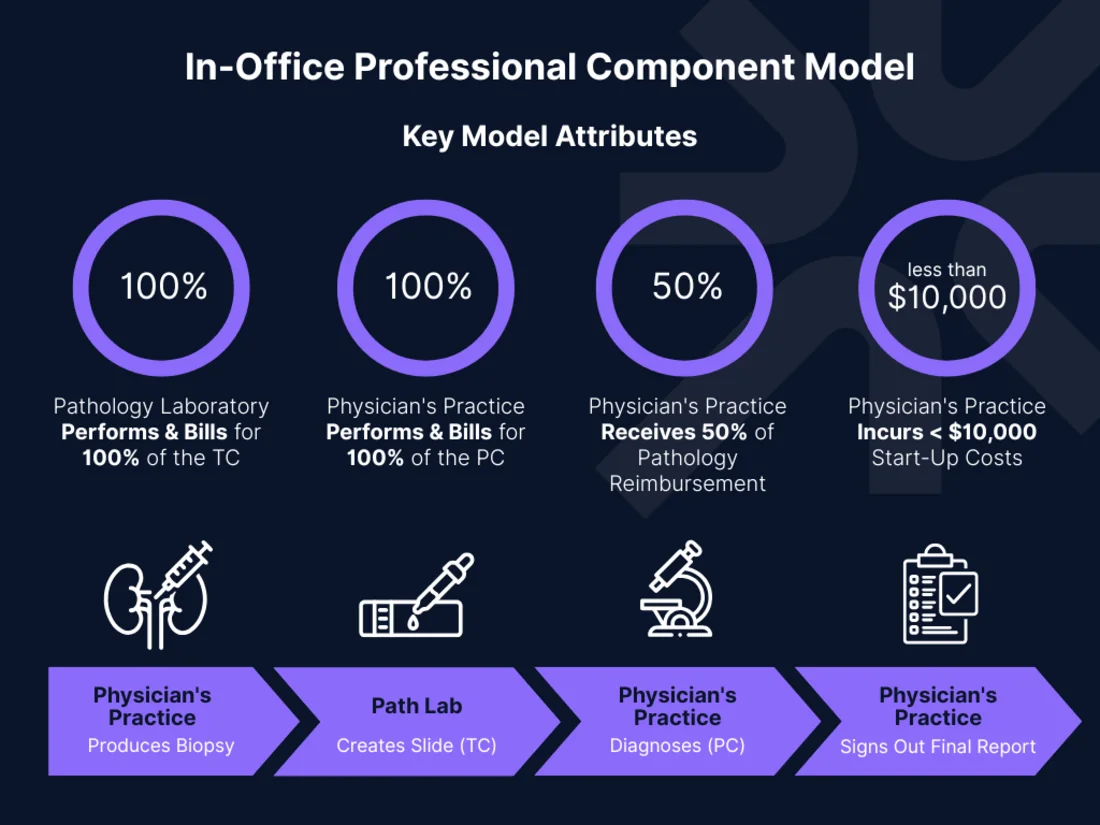
The In-Office PC Model is a widely used approach for physician practices looking to integrate pathology services on-site. In this model, the referring provider sends specimens to an independent laboratory, which performs the technical component (i.e., slide processing and staining). The independent lab bills payors for the technical services.
Once the slides are completed, they are returned to the referring physician, where an in-office contracted pathologist reviews them, provides a diagnosis, and generates the final report. The physician's practice then bills payors for these services, referred to as the "professional component."
This model allows the pathologist to diagnose cases directly for the referring physician's office, offering meaningful clinical advantages, such as:
- Employing a pathologist with specialized training in the practice's area of focus
- Ensuring the same pathologist reviews every specimen, allowing for consistency and open communication with providers
- Establishing a shared diagnostic lexicon between the pathologist and the referring physicians
It's important to note that laboratory services are considered "Designated Health Services." As such, a physician's practice must be inspected and certified by CLIA and/or its respective state licensing agency. The practice must also comply with federal and state regulations, including the Stark Law, Fee-Splitting Prohibitions, the Patient Brokering Act, Self-Referral Laws, and CMS Anti-Markup Rules. To remain compliant, practices must follow the Stark "In-Office Ancillary Services Exception" (IOASE).
Although specific healthcare regulations vary by state, in most cases, the physician's practice must provide the following to support the pathologist:
- Space to perform professional services (typically a desk and office chair)
- Essential equipment, such as a microscope, slide storage unit, and a computer for the Lab Information System (LIS)
- A Lab Information System (LIS), though the laboratory performing the technical component may offer remote access to its existing system
- Employment of the pathologist as a bona fide member of the practice
With relatively minor startup requirements and significant clinical benefits, the In-Office Professional Component Model remains an attractive option for small to mid-sized physician practices.
In-Office Technical Component Model
The In-Office TC Model is essentially the reverse of the In-Office PC Model. In this setup, the referring physician builds an in-office histology lab within their practice, performs the technical component (i.e., slide processing), and bills the patient's insurance carrier for the TC. Once the slides are created, they are sent to an independent laboratory or pathologist to perform and bill for the professional component.
This model provides greater control over workflow and turnaround time, allowing it to be tailored to the practice's patient population. It also simplifies auxiliary research, innovation, and clinical support, while eliminating dependency on third parties and protecting against potential price increases. The TC lab gives the practice full control over collected data and can enhance branding and institutional reputation.
The In-Office TC Model carries the same legal and regulatory considerations as the In-Office PC Model. The lab must be on-site, where the physician sees patients, and requires considerably more dedicated space. This includes significant countertop space, fire-safe storage cabinets for chemicals, and high-powered exhaust fume hoods.
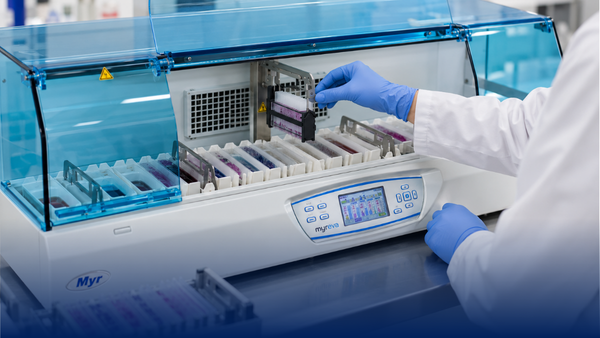
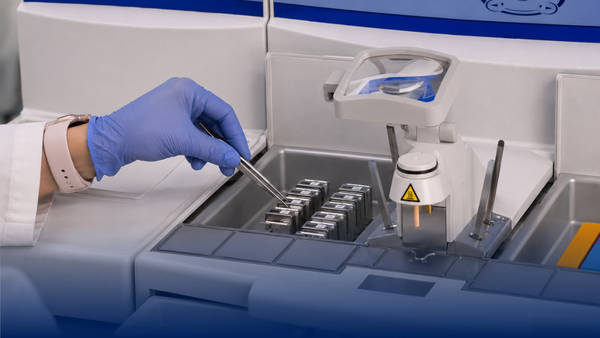
While a PC lab only incurs the initial cost of the pathologist and their microscope, a TC lab must invest in the full buildout and purchase all necessary equipment, including but not limited to:
- A Grossing Station
- Tissue Processor
- Embedding Center
- Microtome
- Flotation Bath
- Stainer
- Coverslipper
- Refrigerator
- Tabletop Lab Oven
In addition to pathology equipment, a technical histology laboratory must also invest in and maintain a constant supply of chemicals, stains, and reagents necessary to perform the technical component.

Physician-Owned Laboratory
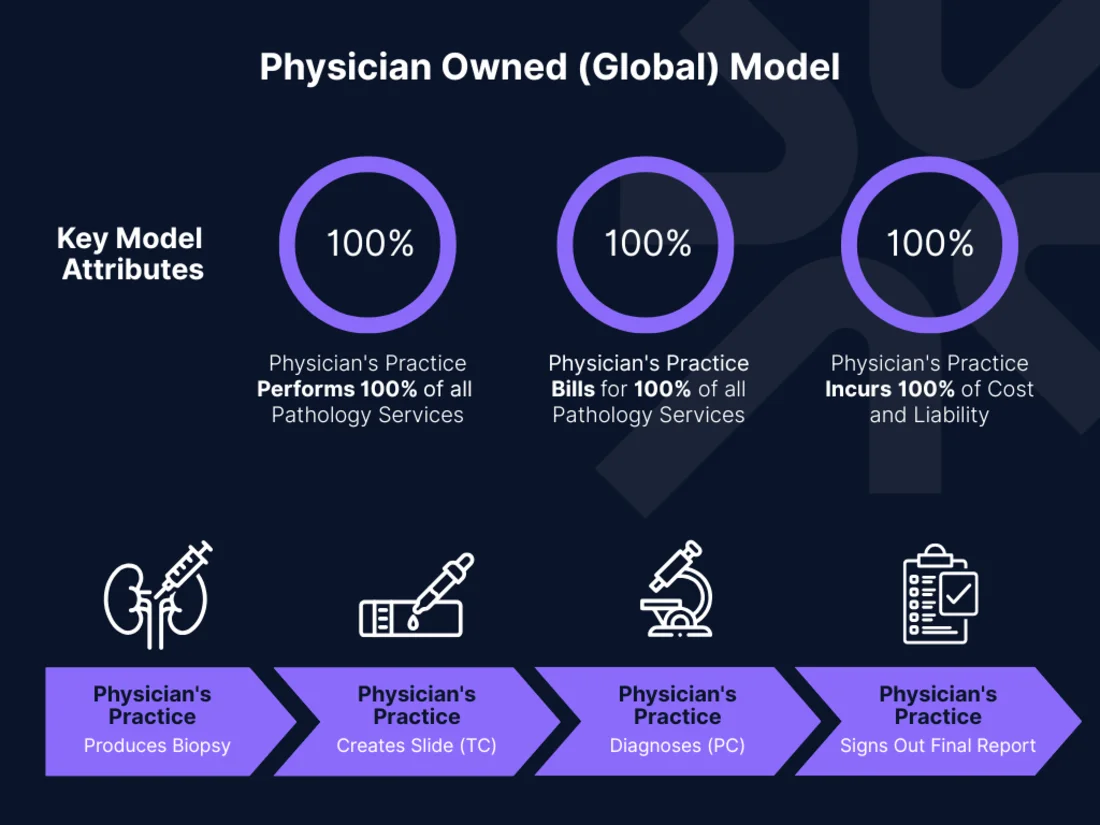
An extremely large practice may find it makes economic sense to build its own Global In-House Pathology Laboratory, where both the technical component and the professional component are performed. Due to the significant start-up costs of this model, it is typically only recommended for practices that perform more than 10,000 procedures per year.
Practices building a physician-owned global laboratory must comply with the same Stark Law and Anti-Markup Rule restrictions described above. However, they generally have the resources and specimen volume to hire a full-time pathologist to perform services.
Patient care is elevated in this model, but so is the exposure to liability for the physician's practice. Typically, during a malpractice claim, a plaintiff will bring suit against the referring physician, the pathology laboratory, and the diagnosing pathologist (with each party holding its own level of liability in the process). In the Physician-Owned Global Laboratory model, it's important to understand that the physician's practice serves as the sole proprietor of all three branches. This significantly increases its liability in the event of a malpractice claim.
Summary
In-office pathology labs are becoming increasingly popular as practices seek to improve patient care and expand ancillary revenue sources. As described above, the most appropriate model will depend on a practice's size, location, payor mix, and available space.
It is important to note that the legal environment surrounding each of the in-office pathology models is highly technical and frequently evolving. This article provides a high-level overview of current in-office pathology options but is not intended as a comprehensive analysis of the legal requirements for your specific practice. Anyone considering changes in this area is strongly encouraged to consult with a qualified healthcare attorney before making any investments or modifications to their operations.

Get Expert Guidance for Your Lab
Whether you need service, equipment, or planning support, our team is ready to help you find the right solution for your lab.